
Physiotherapy & Performance Rehabilitation
Get back to what you love, stronger than before.
Hands-on physiotherapy for everyday pain, sports injuries, and post-surgical recovery, built around your goals, not a generic protocol.
Most clinics stop once the pain fades. We don't.
Beyond pain relief. Real, lasting recovery.
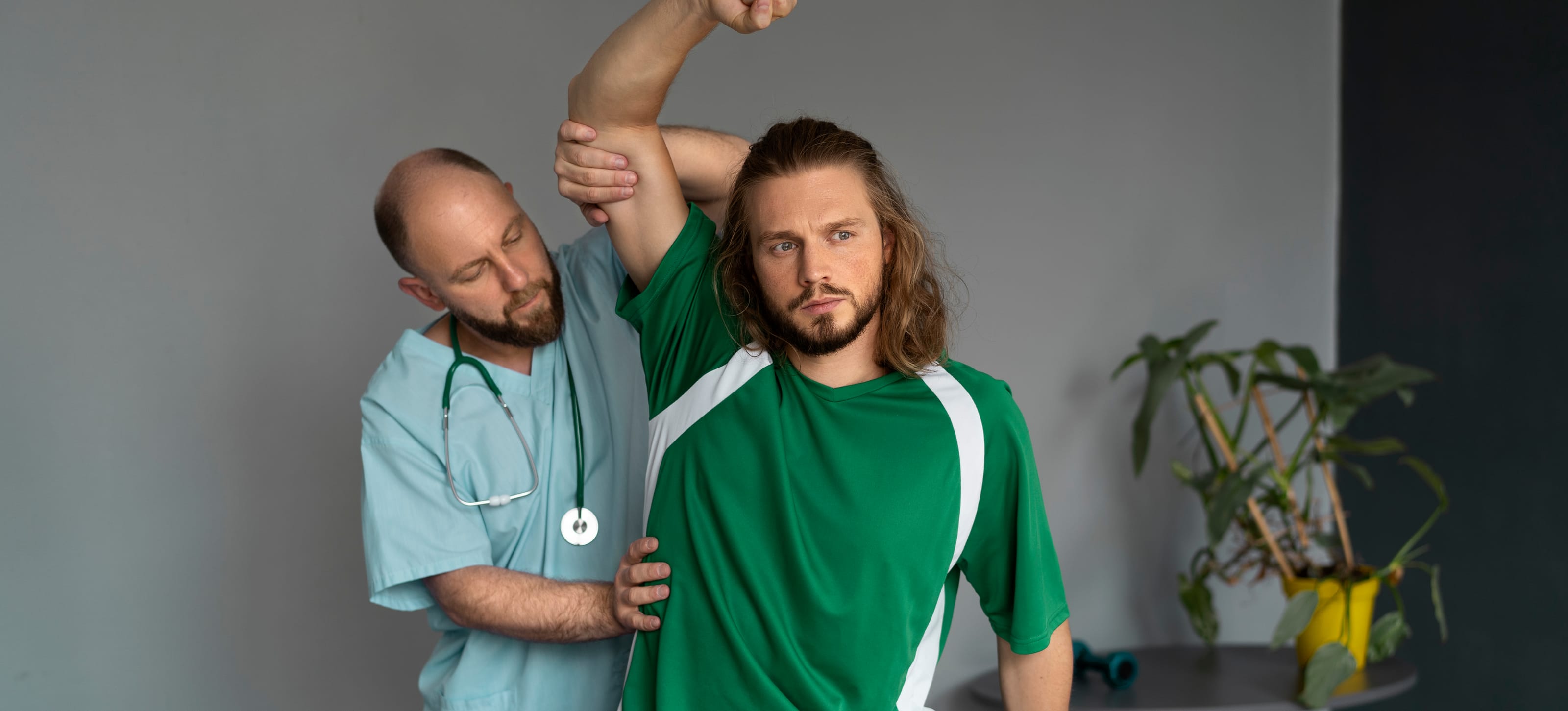
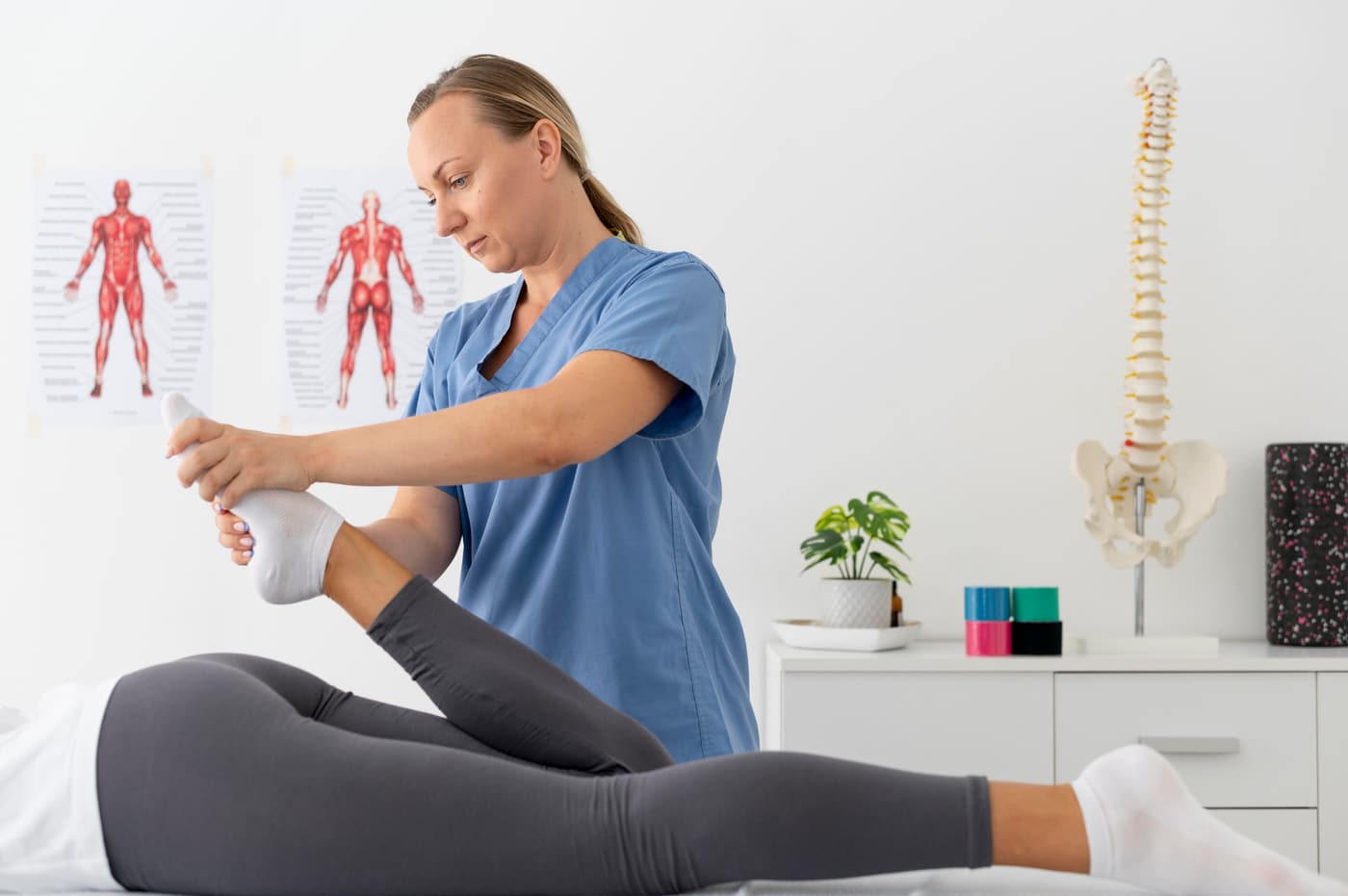
Every plan starts with a full movement assessment, not a generic checklist. Whether you're recovering from surgery, managing a nagging injury, or trying to get back to sport, your therapist builds a plan around your body, your goals, and your timeline, then stays with you through every session until you're not just pain-free, but stronger than when you started.
Book now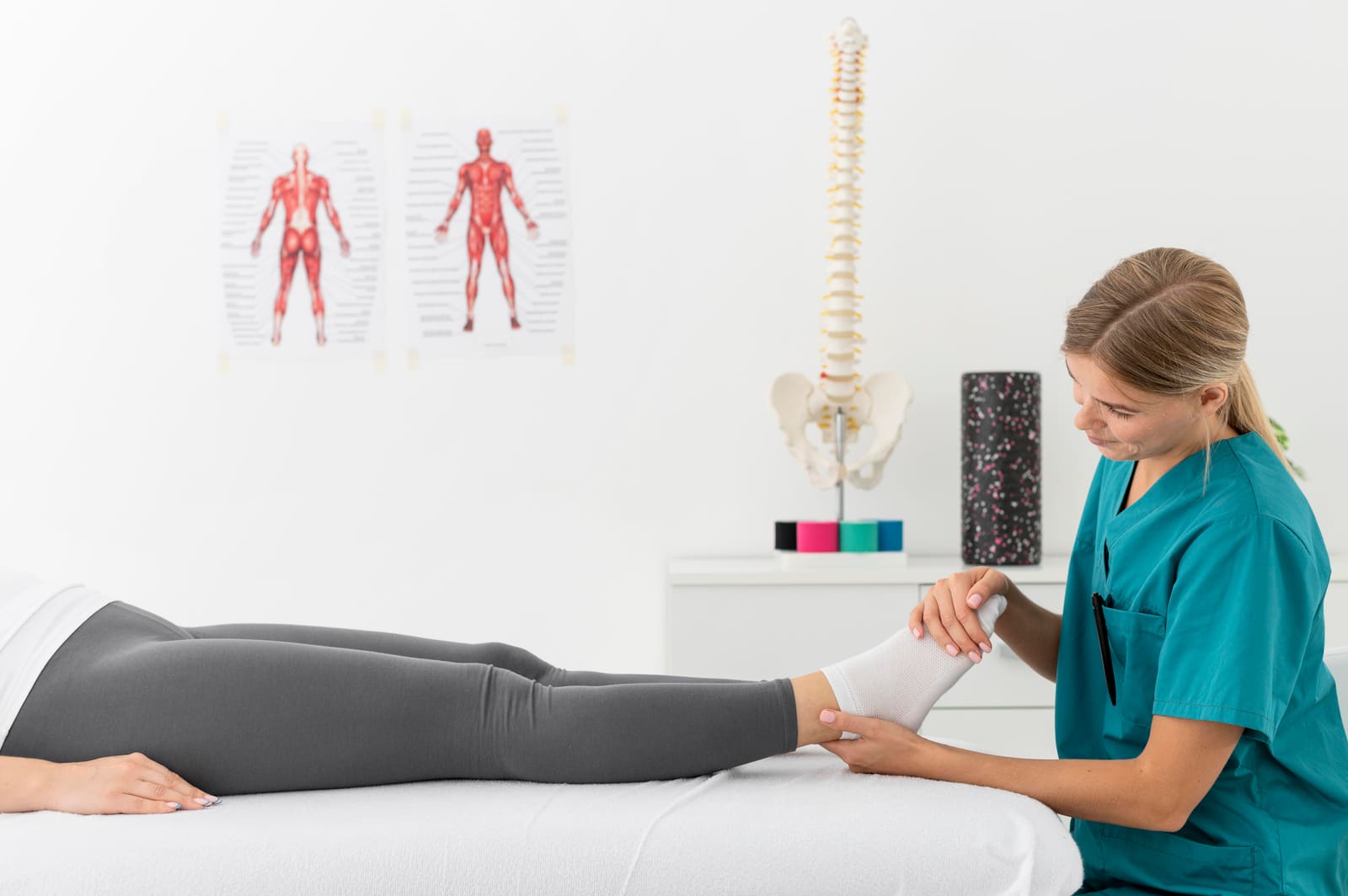
How treatment works
Initial assessment
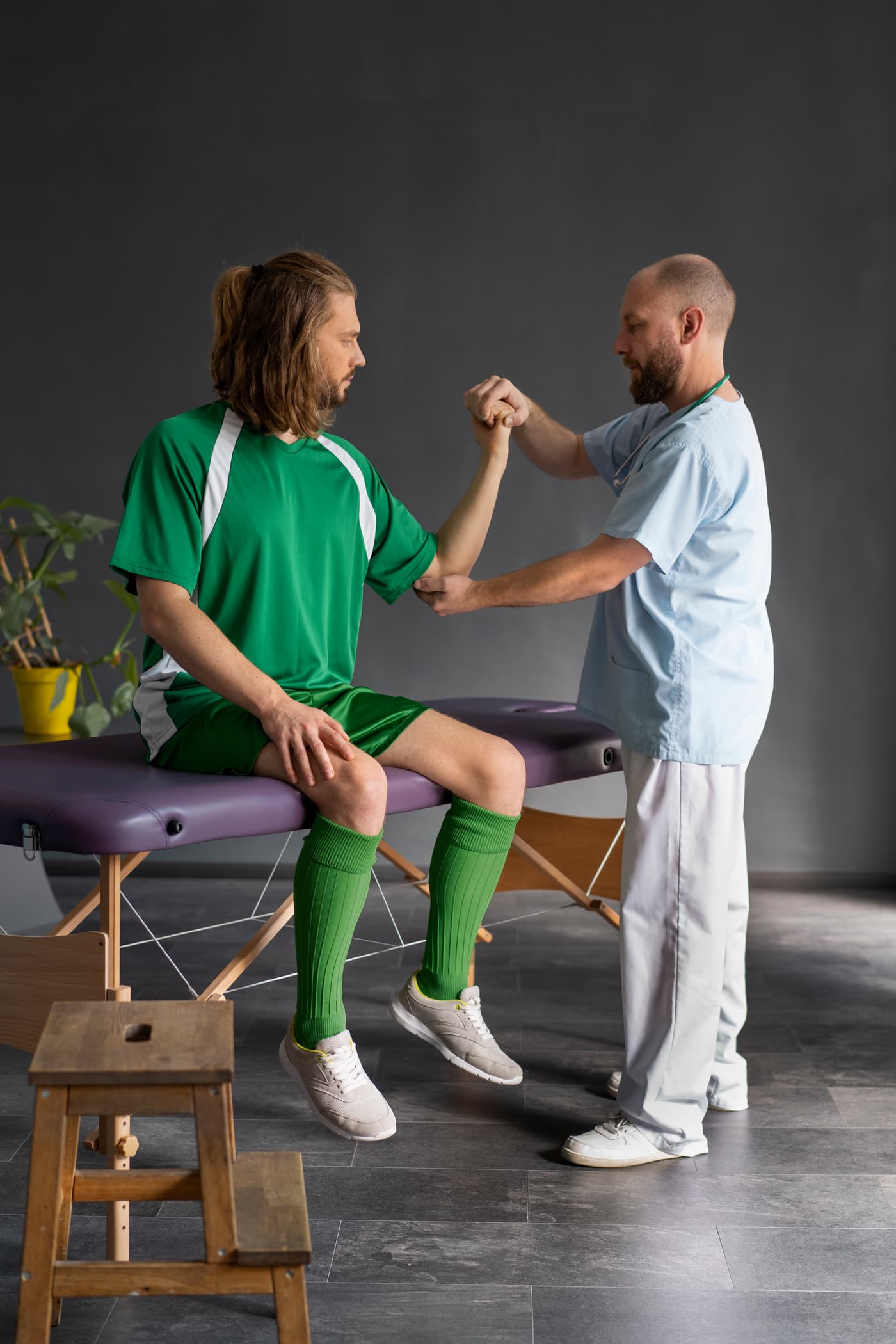
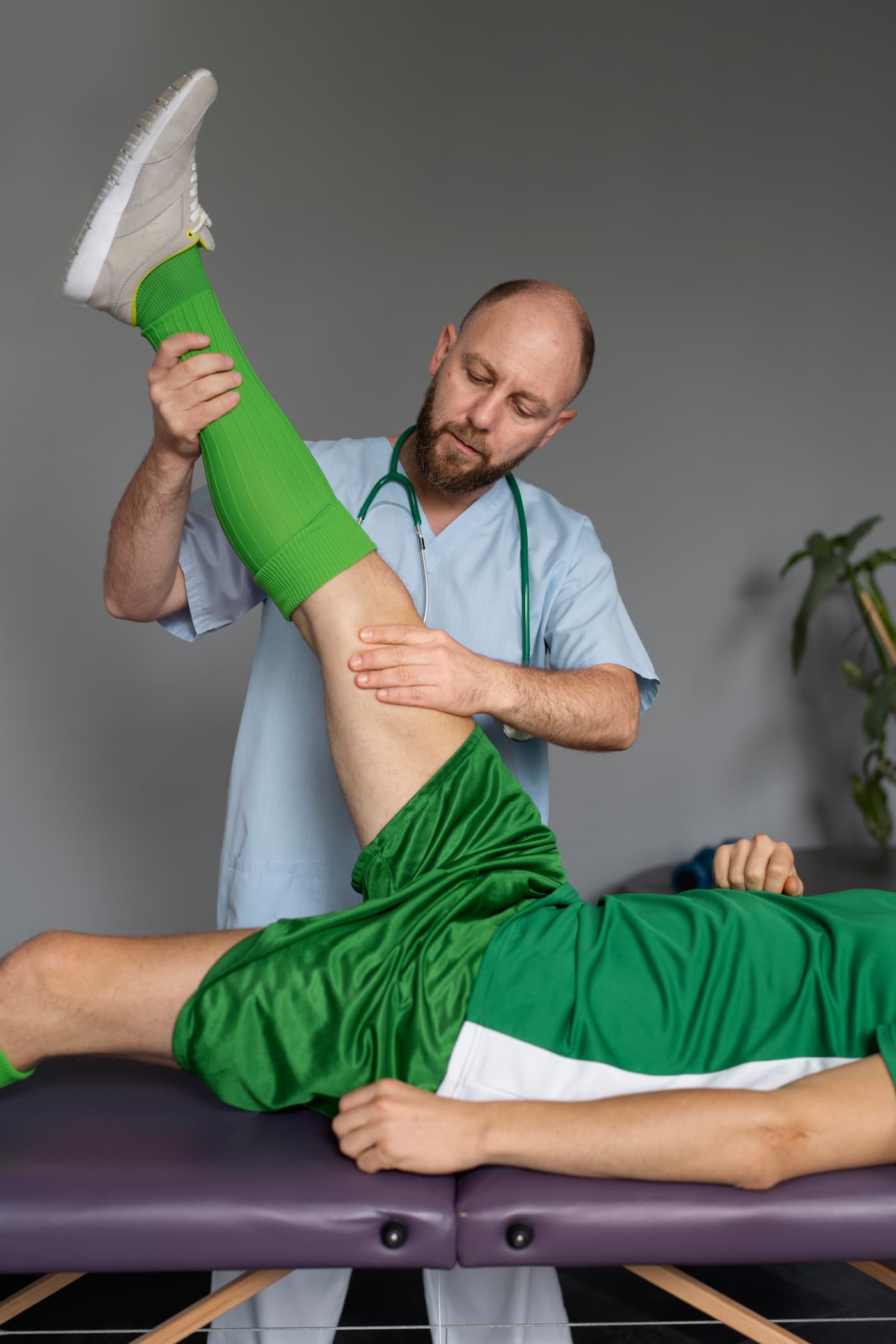
A full one-on-one evaluation of your movement, strength, and pain patterns with a licensed physiotherapist, not a 10-minute intake.
Personalized plan
Your treatment plan is built around your specific injury, goals, and lifestyle, whether that's climbing stairs pain-free or returning to competitive sport.
Hands-on treatment
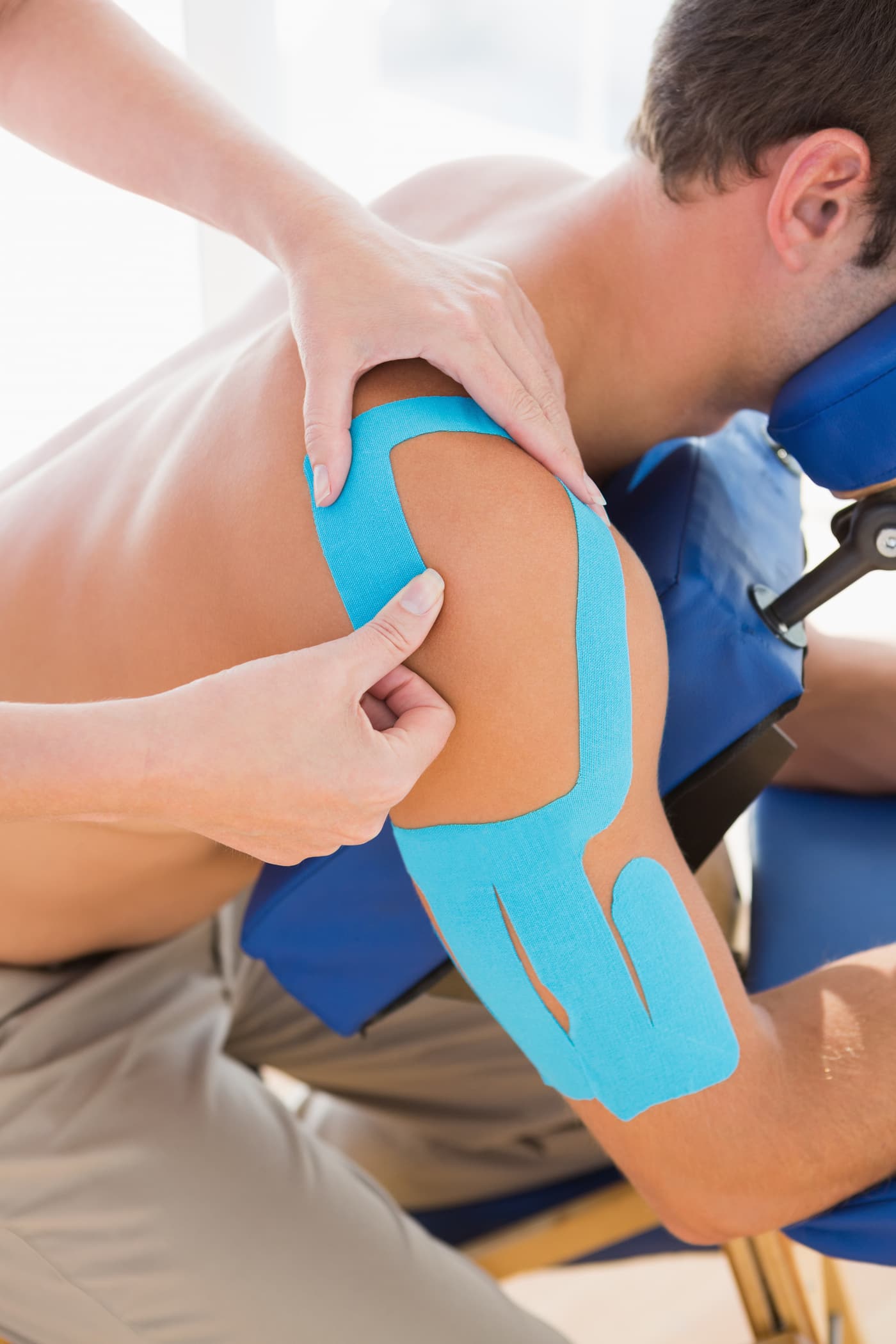
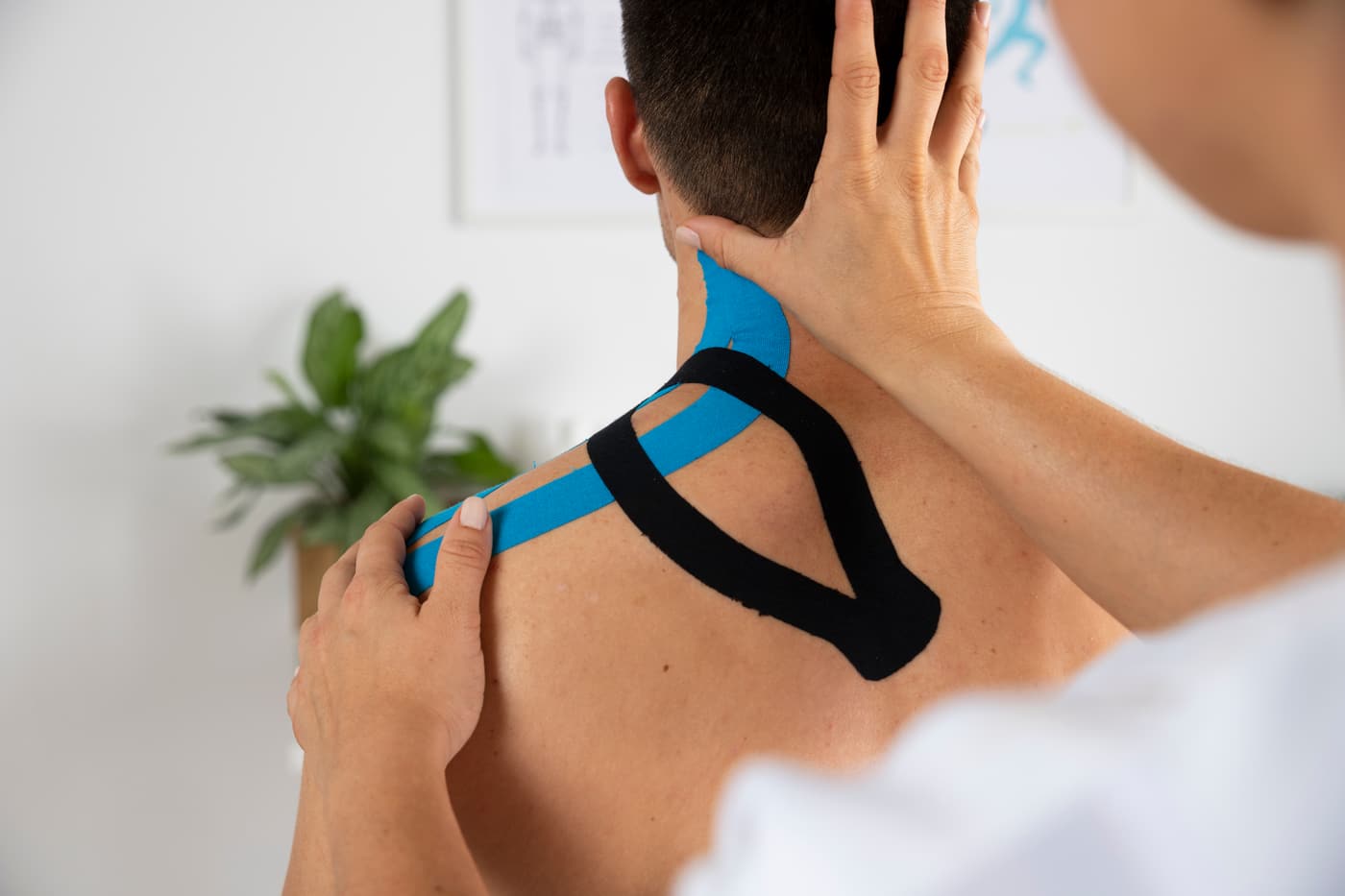
Manual therapy, targeted exercise, and evidence-based techniques delivered in focused one-on-one sessions with the same therapist every visit.
Return to full function
We don't stop at "better." Before you're discharged, we test that you've actually regained the strength and movement to do what you want to do.
Why patients choose The Fixer
One-on-one care
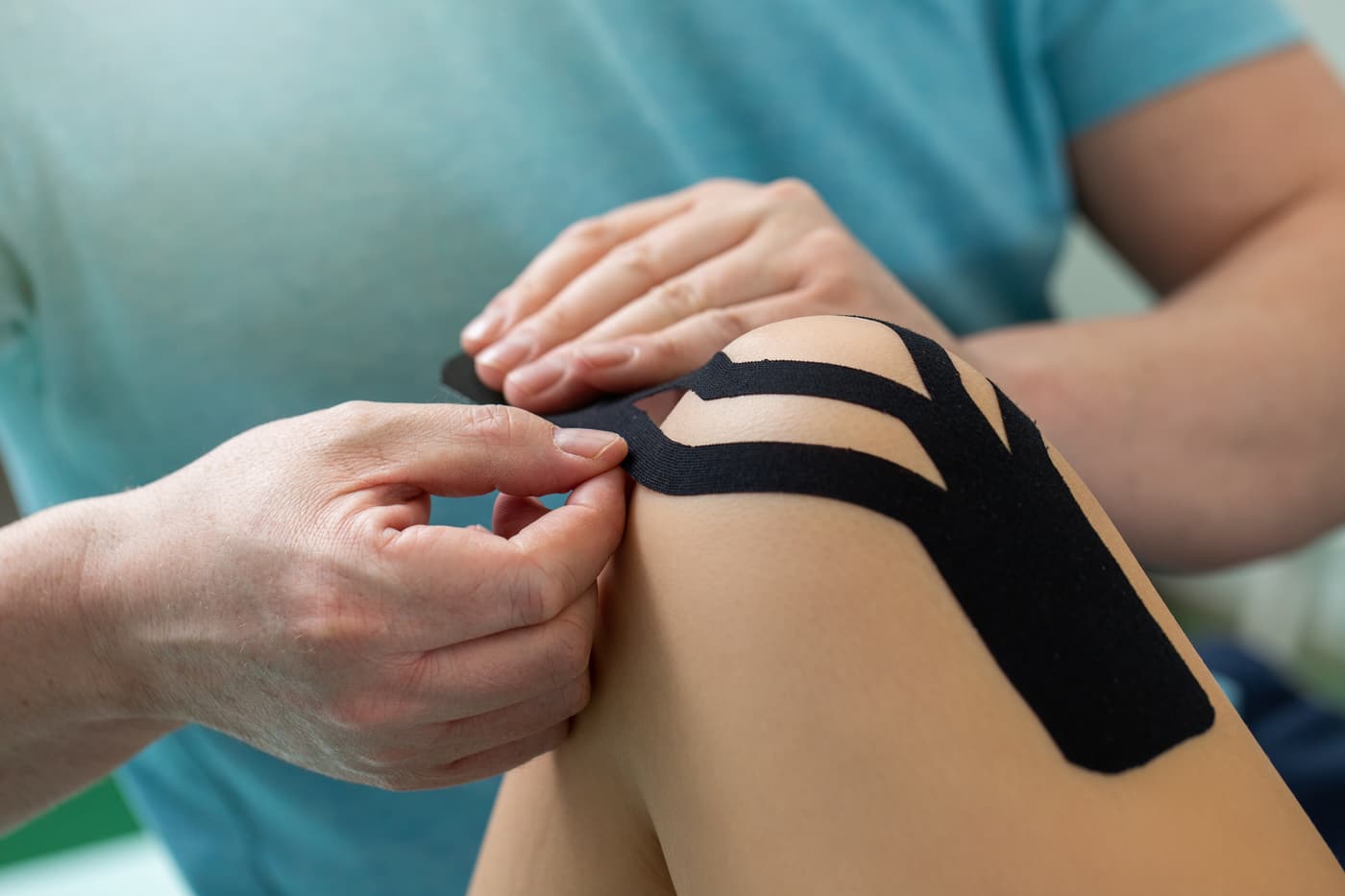
You work with the same therapist every session, no rotating staff, no repeating your story.
Evidence-based treatment
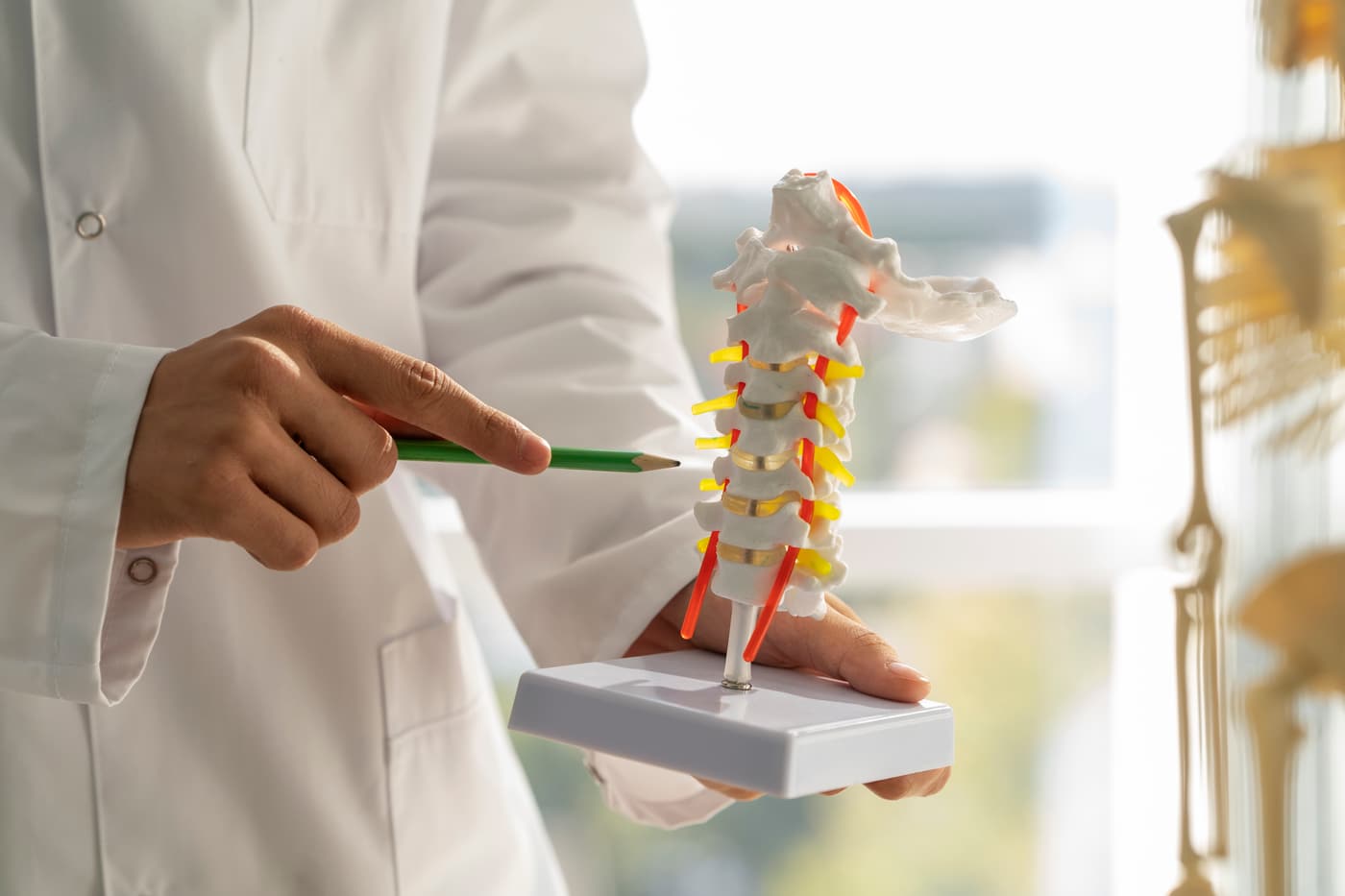
Every technique we use is grounded in current physiotherapy research, not guesswork.
Built around your goals
Whether it's walking without pain or getting back on the field, your plan is designed around what matters to you.
Conditions We Treat
From jaw pain to plantar fasciitis, here's every area our physiotherapists commonly treat at The Fixer.
Jaw / TMJ
Jaw movement comes from four chewing muscles, including the masseter at the corner of your jaw and the temporalis along your temple, that close, protrude, and shift your jaw side to side. Tension here is a common source of clenching, TMJ discomfort, and even referred headaches.
Neck
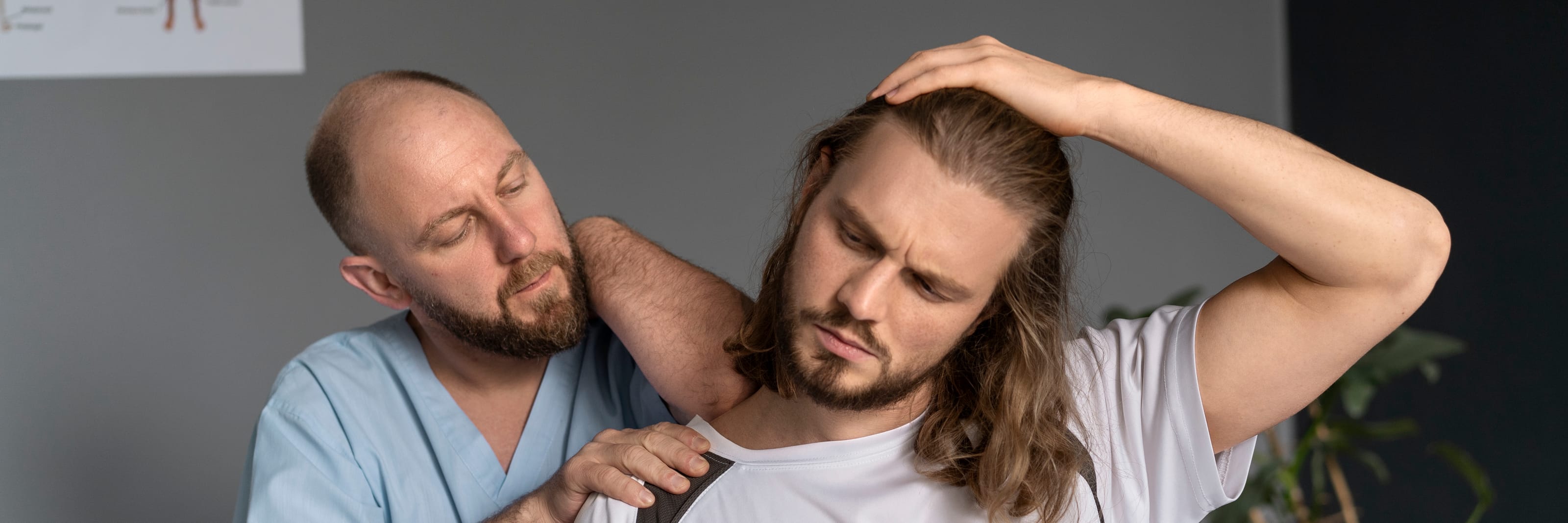
Your neck relies on layers of muscles, from the sternocleidomastoid at the front to the deep postural muscles along the spine, to support your head's weight and drive rotation. Most neck pain we see traces back to forward-head posture, screen time, or whiplash-type strain.
Shoulder
The shoulder pairs a small, deep rotator cuff that keeps the joint centered with larger muscles like the deltoid that generate its wide range of motion. Because it trades stability for mobility, most shoulder pain comes down to rotator cuff overload or poor shoulder-blade control.
Chest
The pectoral muscles power arm and shoulder movement across the chest wall, while the serratus anterior keeps your shoulder blade flush against your ribs. Tightness here is a common driver of rounded-shoulder posture, and it's a key focus after chest or shoulder surgery.
Elbow
Bending comes from the biceps and brachialis at the front of the arm; straightening comes from the triceps at the back. Overuse at the tendon attachments near the joint is behind two of our most common referrals: tennis elbow and golfer's elbow.
Wrist
Wrist and finger movement is driven almost entirely by long muscles based in the forearm, with tendons crossing the wrist to do the work at your hand. Repetitive strain here, from typing, tools, or sport, is a leading cause of tendinopathy and carpal tunnel symptoms.
Hip
The hip is stabilized by the deep gluteal muscles and a ring of small external rotators, with the powerful iliopsoas driving hip flexion. Weakness or tightness here shows up as a pelvic drop when walking, tight hip flexors from sitting, or lingering pain after hip surgery.
Groin
The inner thigh's adductor muscles pull the leg in toward the body and assist hip flexion, converging near the pubic bone, the classic site of a "groin strain." This is one of the most common sports injuries we treat, especially in football and other cutting or kicking sports.
Quadriceps
The quadriceps, the largest, strongest muscle group in the body, straighten the knee and help lift the hip, converging on the tendon just above the kneecap. We see this region most often after a strain or a direct impact ("dead leg"), or as part of ACL rehab, where quad strength is central to recovery.
Knee
The knee runs on an opposing pair, quadriceps in front and hamstrings behind, plus the kneecap acting as a pulley to boost the quads' leverage. It's one of our most common referrals, covering everything from ligament and meniscus rehab to general kneecap pain.
Hamstring
The hamstrings run down the back of the thigh, bending the knee and extending the hip, the direct opposite of the quadriceps. They're under heavy load in sprinting and kicking, which makes hamstring strains one of the most frequent sports injuries we see.
Calf
The calf's two muscles, gastrocnemius and soleus, merge into the Achilles tendon and do the heavy lifting for every push-off when you walk or run. Tightness here often shows up alongside Achilles or plantar fascia issues, so it's a common focus in return-to-running programs.
Ankle
Muscles based higher up in the shin and calf control the ankle through long tendons: lifting the foot, pointing it, and rolling it in or out for balance on uneven ground. Ankle sprains, usually involving the outer ligaments, are one of the most common injuries we treat.
Foot
Beneath the ankle, small intrinsic muscles and the plantar fascia, a thick band running from heel to toes, support your arch and absorb impact with every step. Overuse here, especially from running or prolonged standing, is behind one of our most common complaints: plantar fasciitis.
Achilles Tendon
The Achilles is the thickest, strongest tendon in the body, transmitting the force of your calf muscles into every step's push-off. A naturally poor blood supply a few centimetres above the heel makes this a frequent site of overuse injury and slow-healing tendinopathy.
Upper Back
The trapezius and rhomboids draw the shoulder blades together, while the wide latissimus dorsi drives pulling motions like a row or pull-up. This region carries a lot of desk-posture strain, and it's where most people feel that persistent "knot" between the shoulder blades.
Lower Back
A long column of erector spinae muscle runs the length of your spine, working constantly through standing, sitting, and lifting to keep your trunk upright and stable. It's the single most common area we treat, from mechanical strain to disc-related pain.
Sciatica
Sciatica is a pain pattern, not a single muscle. It follows the sciatic nerve from the lower back or buttock down the back of the leg, most often due to a disc issue in the spine or, less commonly, a tight piriformis muscle compressing the nerve in the buttock. It's a common bridge between lower-back and hamstring complaints, marked by aching, burning, or tingling down the leg.
Ready to move without limits?
Book your first assessment and find out what's really holding you back.
Book an appointment